
Postpartum Depression in Nigeria: Signs, Symptoms, and
Struggling after childbirth? You are not alone or inadequate. Learn the signs of postpartum depression in Nigeria and how to access discreet, confidential doctor consultations online.
Reviewed by Dr. Lara
Last updated 26 October 2026
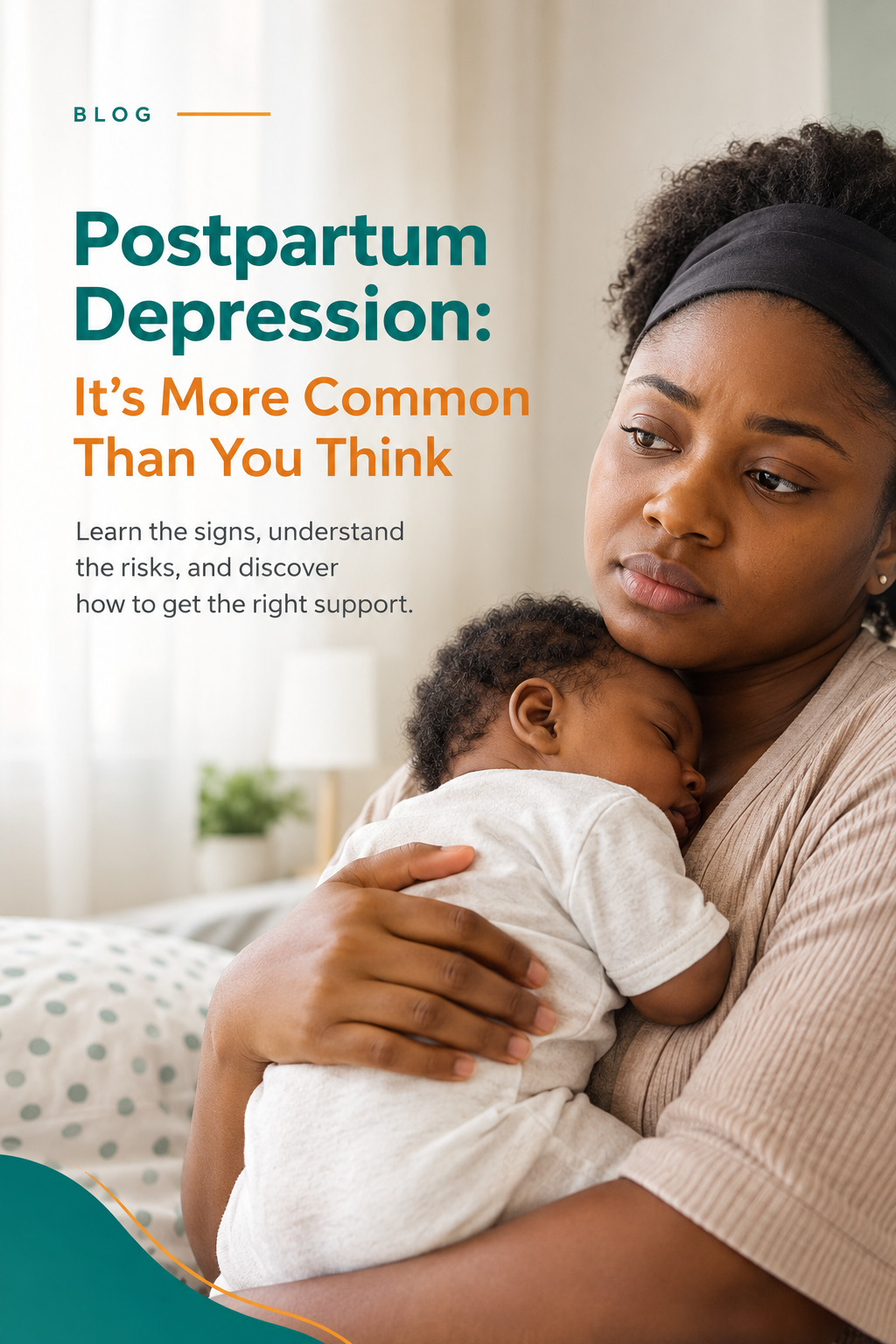
DOCTOLARA CONTENT MARKETING | SEO PILLAR CONTENT
Postpartum Depression in Nigeria: Signs, Symptoms, and
How to Access Discreet Support
SEO Metadata & Specifications
Meta Title:
Postpartum Depression in Nigeria: Signs, Symptoms, & Confidential Support | Doctolara
Meta Description:
Struggling after childbirth? You are not alone or inadequate. Learn the signs of postpartum depression in Nigeria and
how to access discreet, confidential doctor consultations online.
Primary Keyword:
postpartum depression support Nigeria
Secondary Keywords:
signs of postpartum depression, online therapy for new mothers, confidential mental health counseling, baby blues vs
postpartum depression Nigeria
Target URL Slug:
/blog/postpartum-depression-support-nigeria
Motherhood is often celebrated with fanfare, family visits, gifts, and well wishes. In Nigerian society, a new mother is
expected to radiate gratitude and immediately step into the role of caregiver.
Yet behind closed doors, many new mothers face a profound, silent exhaustion that goes far beyond sleep deprivation.
If you find yourself feeling emotionally numb, overwhelmed by guilt, constantly anxious, or unable to feel connected to
your newborn, it is vital to know this: you are not a bad mother, you have not failed, and you do not have to carry this
alone.
“Not every struggle is visible, and care should never feel out of reach.”
Baby Blues vs. Postpartum Depression: What Is the Difference?
It is common to feel emotionally tender in the days following childbirth. Hormones fluctuate rapidly, and sleep is scarce.
However, distinguishing between standard 'baby blues' and postpartum depression is essential for getting timely care.
Baby Blues vs Postpartum Depression (PPD)
Appears 2–3 days after delivery while PPD can start within weeks or develop months postpartum
Duration Usually resolves naturally within 10 to 14 days while PPD persists for weeks or months without treatment.
Mild mood swings, tearfulness, slight fatigue while PPD comes with intense sadness, debilitating anxiety, numbness, despair.
Exhausting, but mother can still cope day-to-day while PPD interferes with daily function and caring for self or baby.
Rest, emotional support from family while PPD requires professional medical or psychological guidance.
Common Signs of Postpartum Depression
- Persistent Sadness or Emptiness: Feeling low most of the day, accompanied by crying spells that seem to have no direct trigger.
Doctolara | SEO Content Page 2
- Emotional Detachment: Struggling to feel an emotional bond with the baby, often accompanied by intense guilt or shame about feeling that way
.
- Severe Anxiety and Panic: A constant, racing fear that something terrible will happen to the baby, preventing you from sleeping even when the baby is resting.
- Postpartum Rage or Irritability: Unexpected flashes of anger or deep frustration over small issues.
- Loss of Interest: Finding zero pleasure or motivation in activities, food, or conversations you normally enjoy.
- Physical Exhaustion That Rest Doesn't Fix: Feeling a heaviness in your body that makes simple tasks like taking a shower or eating a meal feel impossible.
.
Why So Many Nigerian Mothers Suffer in Silence
Despite postpartum depression affecting an estimated 1 in 7 mothers globally, maternal mental health remains heavily
under-discussed across Nigerian communities. Several systemic and cultural barriers stand in the way of care:
- The Stigma of 'Ingratitude': Culturally, women are pressured to count their blessings after a safe delivery. Admitting
sadness or overwhelm is often misinterpreted as being ungrateful.
- The 'Strong Woman' Expectation: Mothers are frequently expected to push through physical pain and psychological
exhaustion without complaint.
- The Chaos of Hospital Visits: Dragging an infant through traffic, standing in crowded waiting rooms, and facing the risk
of running into acquaintances or judgmental staff makes conventional hospital visits daunting.
3 Practical Steps to Support Your Recovery Today
- Release the Pressure of 'Instant Perfection': Surviving today is more than enough. You do not need a
spotless home, and you do not need to feel overjoyed every hour of the day.
- Name Your Feelings to One Trusted Person: Silence strengthens isolation. Letting your partner, sister, or trusted
friend know, 'I am feeling overwhelmed and need extra help,' creates space for support.
- Prioritize Clinical Guidance Over Guesswork: Postpartum depression is driven by chemical, biological, and physical
shifts. Speaking with a qualified doctor or mental health specialist provides structured coping mechanisms and tailored
care.
Accessing Safe, 100% Confidential Care with Doctolara
Getting support should never mean sacrificing your privacy or navigating long clinic queues with a newborn. With
Doctolara, professional maternal care is accessible directly from your smartphone:
3 Private Video Consultations: Speak confidentially with verified physicians, clinical psychologists, and therapists from
the privacy and comfort of your bedroom.
3 Zero Waiting Rooms: Schedule appointments on your terms without stepping into crowded reception areas.
3 Integrated Diagnostics & Pharmacy: If your physician recommends routine postnatal blood panels or supportive
therapy, Doctolara allows you to organize at-home testing and direct pharmacy delivery seamlessly.
Your mental health matters just as much as your baby’s well-being. Taking care of yourself is the foundation of caring
for your child.
Talk to a Professional Now
Connect with a healthcare professional through Doctolara.